HUMAN OVERPOPULATION
Concern as to human overpopulation is nothing new. Thomas Malthus’ An Essay on the Principle of Population was first published in 1798 and went on to five further editions over the next thirty years. Despite his name, Malthus was a rural English clergyman. The publication of The Message coincided with the 250th Anniversary of his birth.
Although there have been a number of other, mainly scholarly, works on overpopulation since then the most significant recent contribution is probably The Population Bomb by Professor Paul Ehrlich (1968). This attracted heavy criticism for its, as it transpired, inaccurate prediction that hundreds of millions would die in the 1970s and 1980s through starvation due to overpopulation problems. The fact is that when Ehrlich wrote The Population Bomb in 1968 the human population was still under 4 billion and has nearly doubled since then.
It is arguable that Ehrlich’s prediction only proved wrong because he underestimated the extent man could and would go to provide not just the extra food, but also all the other things necessary to support an ever increasing population.
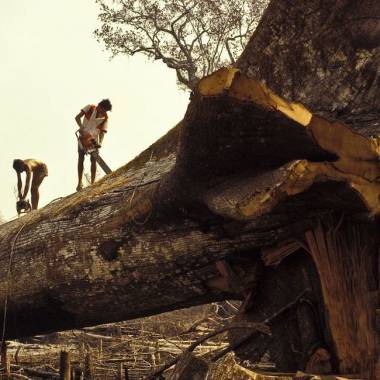
This has been achieved by clearing more and more wild and forested areas (particularly tropical rain forests) for intensive agriculture; the wanton use of pesticides, artificial fertilisers and genetic engineering; and the plundering and industrialisation of the planet. ‘The Message’ is that it is the damage inflicted on our planet, a direct result of overpopulation, which is now the real and overwhelming threat to humans.
Over the years, a number of authors have used fiction to draw attention to social or political issues we would all prefer to ignore. Examples would be Oliver Twist, Uncle Tom’s Cabin, Hard Times, The Grapes of Wrath, To Kill A Mockingbird, as well as Animal Farm.
“Two hundred years ago there were just one billion of us. Fifty years ago it was three billion. Now it’s seven billion. If we go on like this there will be eleven billion of us within fifty years.”
In The Message, Yan Vana cleverly uses a mix of fantasy and science fiction to make an otherwise unwelcome message palatable. Whether you agree with it or not, the message it is conveying will be clear to any reader without the need for explanation. In many ways, it can be said to combine some of the allegorical format of Orwell’s Animal Farm with his grim factual reporting in A Road To Wigan Pier and the dystopian nature of his 1984.
It is arguable that, underneath the science fiction and fantasy, The Message is a serious philosophical study of the relationship between man and the rest of nature.
It questions many preconceived beliefs; in particular that technological advancement is a sign of superiority rather than simply an acceptance that, from an evolutionary standpoint, man is physically backward and has to rely on tools to do things which other species, ones we regard as inferior, can do naturally.
That is not to say that the plot is merely a platform for an undisguised moral message about overpopulation problems. To many it will also be a sad and moving love story, to some a study of humanity and for others a perspective view of twenty-first century environmental regulation.
It could be said that Malthus was warning what could happen as a result of human overpopulation, Ehrlich was predicting what was about to happen and Vana is telling us what is already happening.
Overpopulation – The Biggest Threat we Face
What are the Main Causes of Overpopulation?
The relentless growth in the world’s human population – the leap from under 4 billion in 1968 to over 8 billion today – has roots in several interconnected factors. Whilst it’s tempting to point at a single culprit, the reality is more nuanced. The following are the primary drivers behind this ongoing surge.
Longer Lives, Fewer Deaths
Thanks to advances in medicine, improved hygiene, and technological innovation, people are living far longer than their ancestors. And infant mortality is lower than it has ever been, with vaccinations and modern sanitation ensuring that more children now survive into adulthood.
Whilst this is a triumph for medicine and public health, the decline in death rates (without a matching fall in birth rates) means that each generation adds ever more people to an already overburdened planet.
Gaps in Access to Family Planning
Although average family sizes have shrunk over recent decades – from five children per woman in 1950 to just over two today – not all women have the luxury of being able to control the size of their family.
There are still hundreds of millions of women worldwide who would avoid pregnancy if they had a choice, but cannot access reliable contraception for a range of reasons, including cultural or religious prohibition, myths about health risks, and simple lack of resources. This unmet basic need means that unplanned pregnancies remain common in many of the world’s regions, contributing to further population growth.
Unequal Educational Opportunities
Education, especially education for girls, plays a pivotal role in population trends. Across much of the globe, millions of girls are still excluded from schooling, often due to poverty, traditional expectations, or conflict.
When girls stay in school longer, they tend to marry later and have fewer children, and their offspring are generally healthier. In contrast, limited access to education fuels higher birth rates and limits options for women and their families.
The Perfect Storm
These factors – increasing longevity, inconsistent access to birth control, and unequal educational opportunities – have combined to create a perfect storm, driving overpopulation to a level that our planet can barely now support.
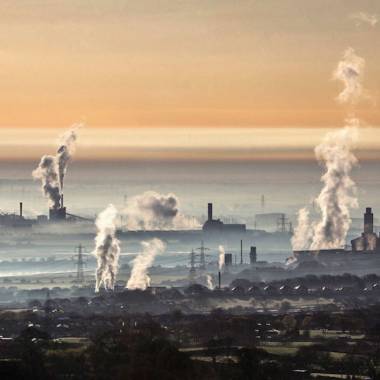
Sustaining over 8 billion people has only been made possible by clearing more and more wild and forested areas across the planet (particularly tropical rain forests) for intensive agriculture, and through the wanton use of pesticides, artificial fertilisers and genetic engineering. In short, through the plundering and industrialisation of planet Earth.
‘The Message‘ is that it is the damage inflicted on our planet, a direct result of overpopulation, which is now the real and overwhelming threat to the future of mankind.

What are the Economic Impacts of Overpopulation?
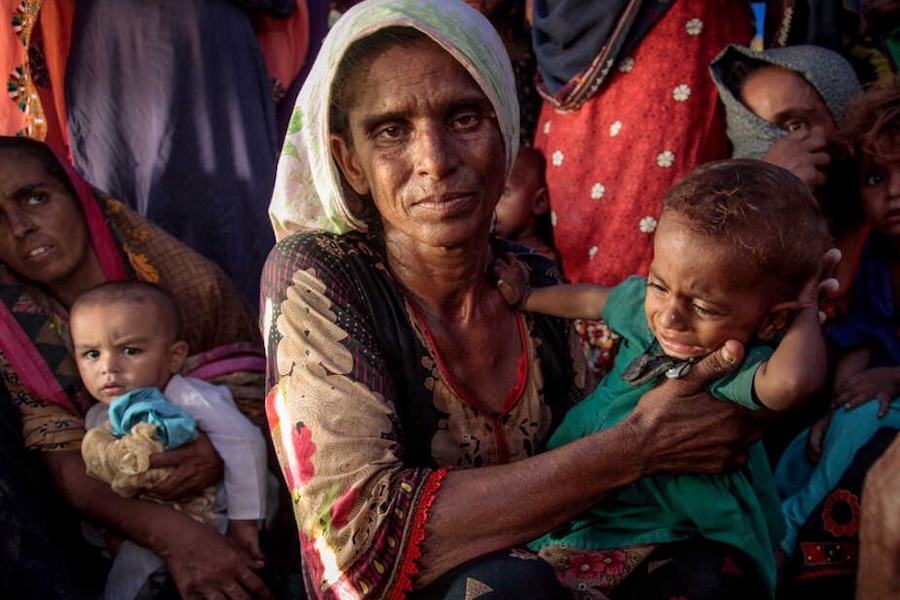
As the global population spirals upwards, the economic landscape is inevitably transformed, and in most cases, not for the better. Demand for basic necessities such as food, water, housing, and energy rises sharply, putting significant pressure on both local and global economies.
Economic Consequences of a Crowded World
As competition for these resources intensifies…
Rising Costs: Scarcity drives up prices, making essentials less affordable for hundreds of millions globally.
Over-Burdened Infrastructure: Public services, such as healthcare, education and transportation, struggle to keep up with expanding populations, often resulting in reduced quality or accessibility.
Unemployment and Underemployment: With more people seeking work, job markets can become saturated, leading to higher unemployment rates and depressed wages.
Increased Inequality: Economic gaps widen as those with fewer resources bear the brunt of scarcity, poorer healthcare and education, and environmental decline.
The Domino Effect
The acceleration of Earth’s environmental degradation – a direct result of human overpopulation – inevitably leads to crop failures, resource shortages, water scarcity and pollution, which in turn can spark economic downturns, or trigger social and political unrest. World events, both historical and present-day, provide clear evidence of the fact that, as numbers rise, the cost of sustaining humanity grows ever steeper.
How Does Overpopulation Contribute to Water Scarcity?
One of the most pressing consequences of human overpopulation is increased pressure on our planet’s finite water resources. As communities expand and cities swell, the sheer volume of water needed for drinking, washing, sanitation, agriculture, food production, and industry, rises inexorably.
Population Growth and Water Scarcity
The increasing demand on global freshwater supplies means that…
Rivers and aquifers are tapped more heavily each year, often faster than they can naturally replenish.
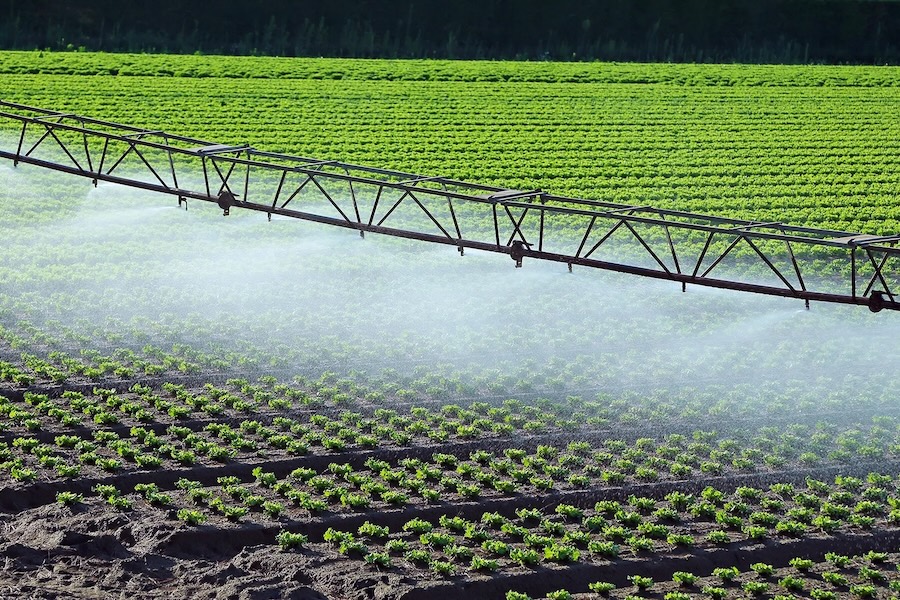
Agricultural irrigation, already accounting for around 70% of worldwide freshwater use, continues to place further demand on water resources to feed growing populations.
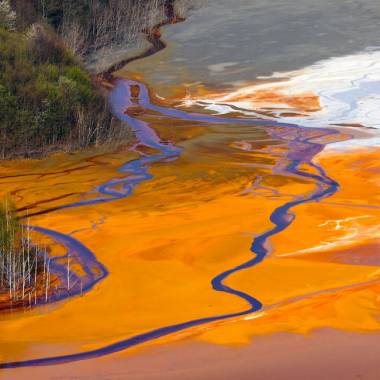
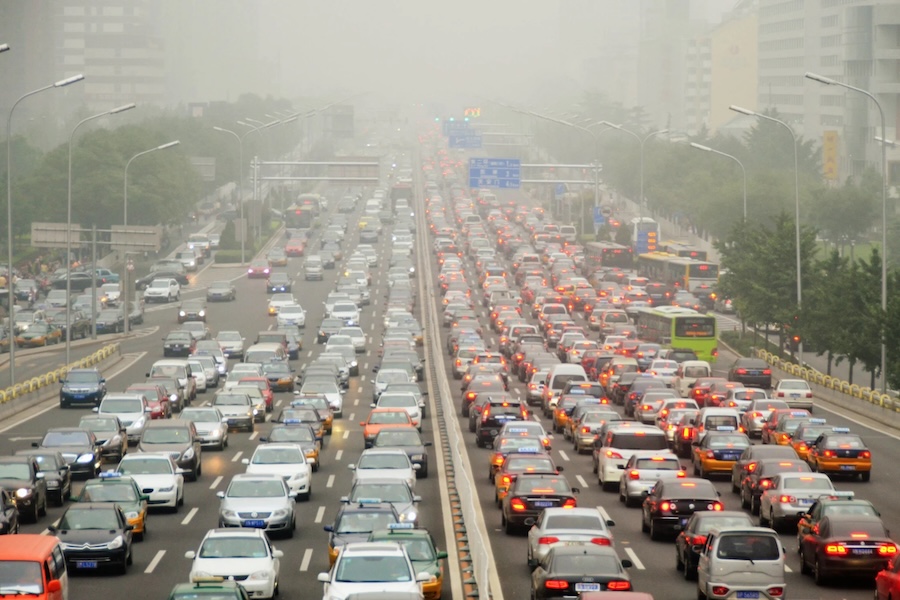
Pollution from agriculture and industry – both of which continue to intensify as populations rise – further limits the supply of clean, usable water.
Climate Change
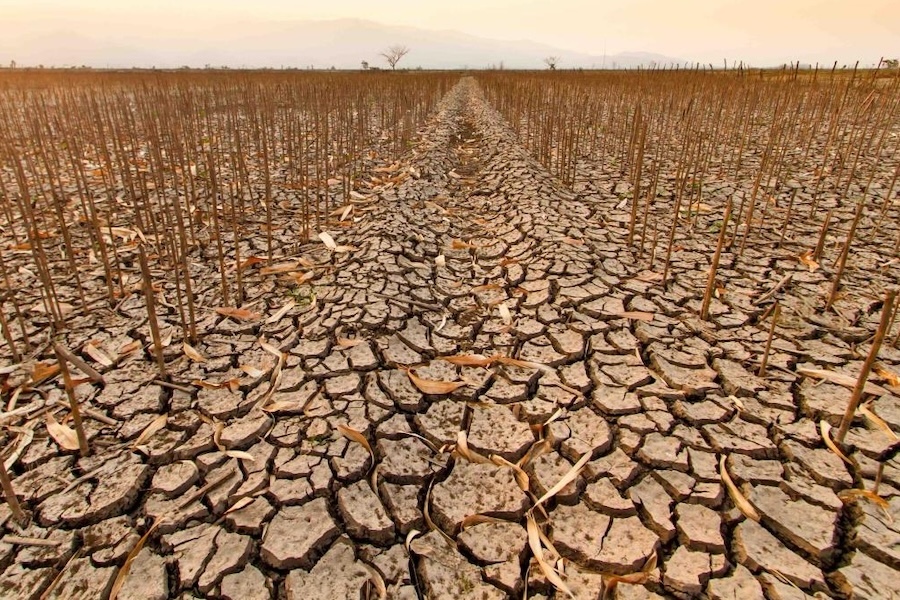
Climate change – a direct consequence of both population growth and human activity – is now one of the primary factors in water scarcity, disrupting rainfall patterns and intensifying droughts.
As population figures increase, so does the competition for every drop of available freshwater. Water scarcity, once the concern of a handful of the planet’s more arid regions, now threatens communities across most continents and economies.
It is estimated that by 2100, up to 66 per cent of the world’s population will be affected by water scarcity.